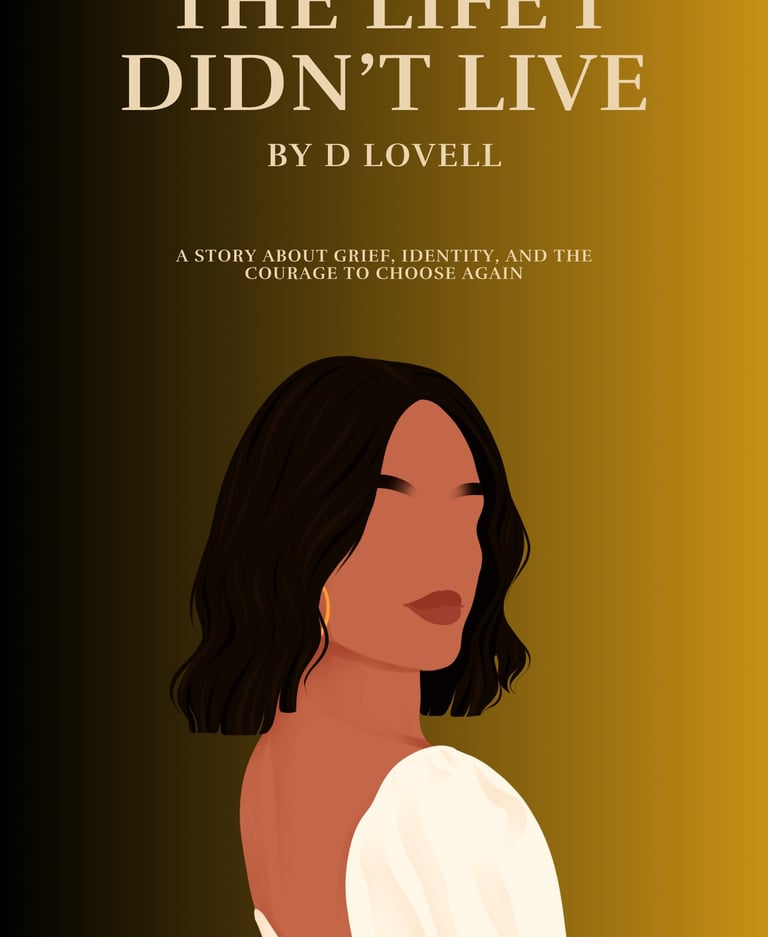
Meet Vivian Castillo
Performing Somewhere You're Not. On Stage. Facing her greatest fears.

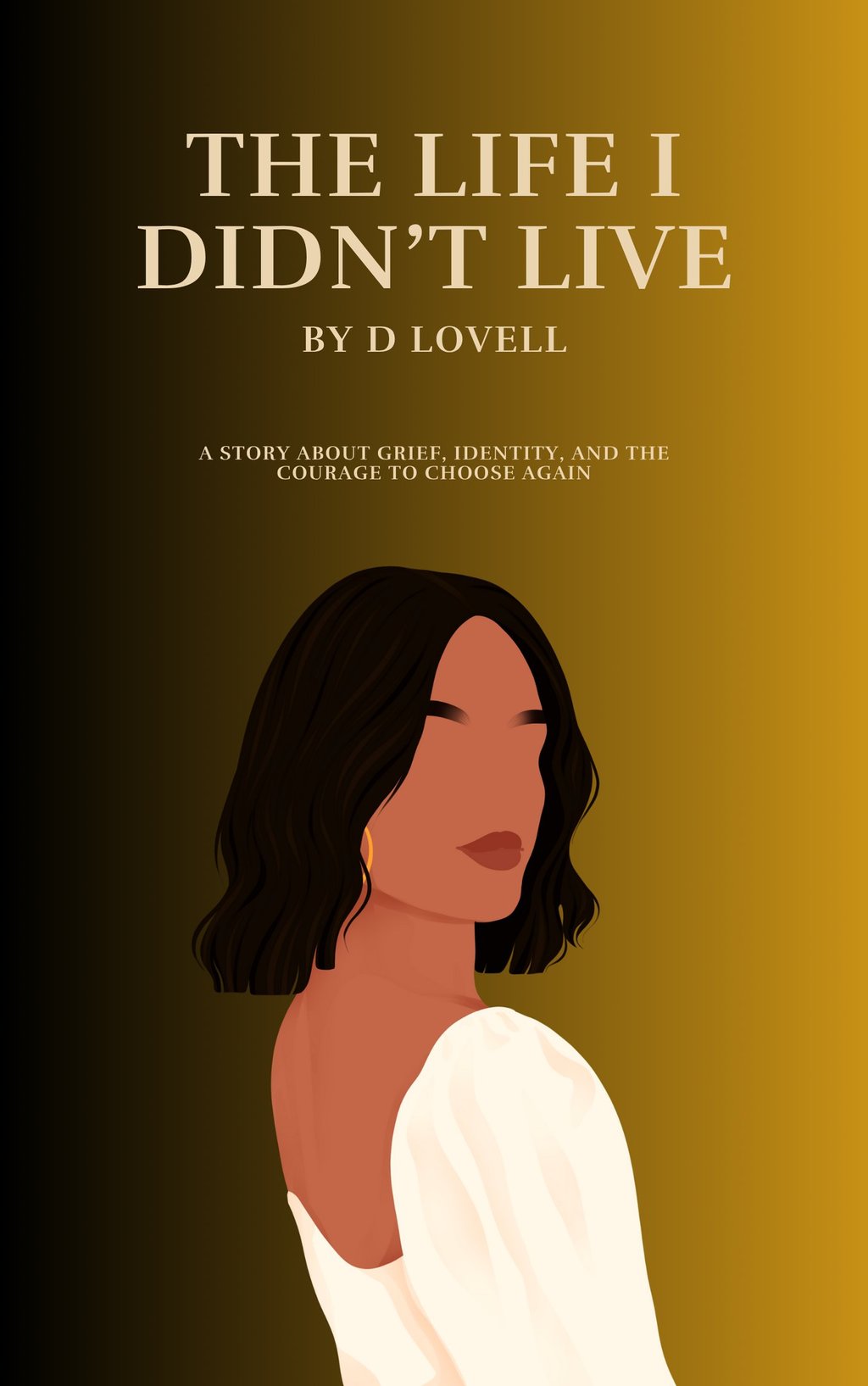
A story about grief, identity, and the courage to choose again.
Vivian Castillo sat in her car across the street from her brother Connor’s house, her fingers tapping the steering wheel in a slow, nervous rhythm. Her dark curls were pulled into the same low bun she always wore to family events—neat, non-threatening, forgettable.
She wore soft makeup and a blouse she’d ironed twice, hoping to look like she had everything under control. From where she sat, she could see the backyard lights strung up like stars, hear the hum of bachata music spilling over the fence, and smell the grilled meat carried by the evening breeze. Laughter floated into the night—her family, loud and alive, as if joy was a language they had invented themselves.
She used to love these gatherings. Before she learned love could wrap its arms around you and look past you. Before she understood being fed, hugged, and praised could leave you starving. Hers was a Dominican American family, loud and loyal and always halfway between love and judgment. Her mother’s praise came dressed in comparisons. Her father’s affection, in long silences and short nods. Together, they had built a house of love where she felt like a guest. The ache of what she hadn’t become settled in her chest like a pew no one ever claimed—visible only to God, if anyone.
At night, when the world was too much, Vivian prayed—not out loud, but in the soft language of the heart. She asked God questions she knew had no easy answers. Why not me? What am I doing wrong?
Sometimes she imagined Him answering. Other times, the silence was her answer.
She hadn’t been to church in a while, but Psalms 100 played in her mind like a balm she didn’t know she needed. And when 'He’s Able' played from a passing car, she found herself blinking back tears she hadn’t meant to cry.
Vivian leaned her forehead against the steering wheel, the cool leather a small mercy. You could leave, she told herself. No one would call. No one would chase. She could drive away, and the laughter behind the fence would keep going, unbothered. Her father would say she was too sensitive. Her mother would call her dramatic. No one would wonder why she left—only why she hadn’t stayed in line.
She’d climb those porch steps, smiling the way her mother taught her—bright and brief. Every tía and primo would crush her in hugs, ask about “el novio” like she was late to a party everyone else had RSVP’d for. No one would ask what she wanted. Just why she hadn’t caught up.
Because her pattern was predictable.
The obedient daughter. The quiet one. The soft smile in every family photo, always a little out of focus.
“Okay, Viv,” she whispered to herself, sitting up. “Vamo’ arriba.”
Time to go inside.


Connect
Follow us on socials
Contact
© 2025. All rights reserved.